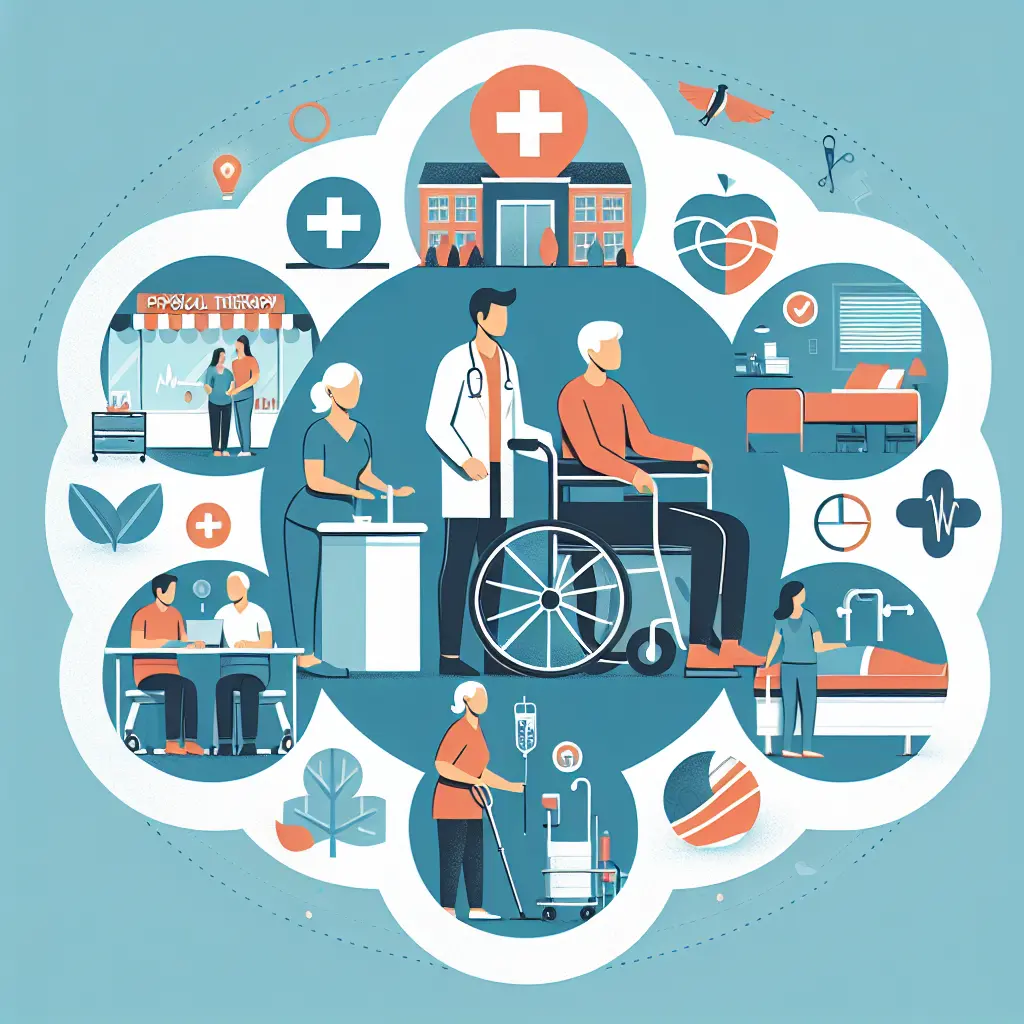
Physical therapy is a critical component of healthcare that aims to enhance mobility, relieve pain, and improve the quality of life for individuals with various conditions. There are several physical therapy settings where practitioners provide specialized care tailored to the needs of their patients. In this article, we will explore these diverse environments and understand how they contribute to patient recovery.
1. Outpatient Clinics
Outpatient clinics are perhaps the most common setting for physical therapy. Patients visit these clinics for scheduled appointments, allowing them to receive treatment without the need for hospitalization. These clinics often offer a range of services, including orthopedic rehabilitation, sports injury treatment, and post-operative care.
2. Inpatient Rehabilitation Facilities
Inpatient rehabilitation facilities are designed for patients who require intensive therapy while staying at the facility. These settings are ideal for individuals recovering from severe injuries, surgeries, or illnesses that significantly impact their mobility. The goal is to provide a comprehensive rehabilitation program that accelerates recovery and prepares patients to return home safely.
3. Home Health Physical Therapy
Home health physical therapy allows patients to receive care in the comfort of their own homes. This setting is particularly beneficial for individuals who have difficulty traveling to a clinic due to mobility issues or other health concerns. Therapists work closely with patients to create personalized treatment plans that facilitate recovery in a familiar environment.
4. Skilled Nursing Facilities
Skilled nursing facilities provide physical therapy services as part of a broader spectrum of long-term care. These facilities cater to patients who require ongoing medical and rehabilitative support, often after hospitalization. Physical therapists in these settings focus on improving functional abilities and ensuring patients can perform daily activities independently.
5. School-Based Physical Therapy
School-based physical therapy is essential for students with disabilities or developmental challenges. Therapists collaborate with educators and parents to develop individualized education plans (IEPs) that address the specific needs of each student. This setting aims to enhance students' physical capabilities, enabling them to participate fully in school activities.
Key Benefits of Diverse Settings
Each physical therapy setting offers unique advantages, allowing therapists to provide specialized care that meets the diverse needs of their patients. By understanding these environments, patients and healthcare providers can make informed decisions about the most appropriate setting for therapy.
- Personalized Care: Different settings offer tailored treatment plans that address individual needs.
- Convenience: Options like home health therapy provide flexibility and ease for patients.
- Comprehensive Support: Inpatient facilities and skilled nursing units offer extensive resources for recovery.
In conclusion, the variety of physical therapy settings ensures that patients receive the most effective care possible, promoting quicker recovery and improved health outcomes. Whether in a clinic, at home, or in a school, physical therapy plays a vital role in enhancing individuals' lives.